
What are the differences between polyester and nylon?
In the world of synthetic fibers, polyester (polyester fiber) and nylon (nylon fiber) are two important players, and their properties are significantly different.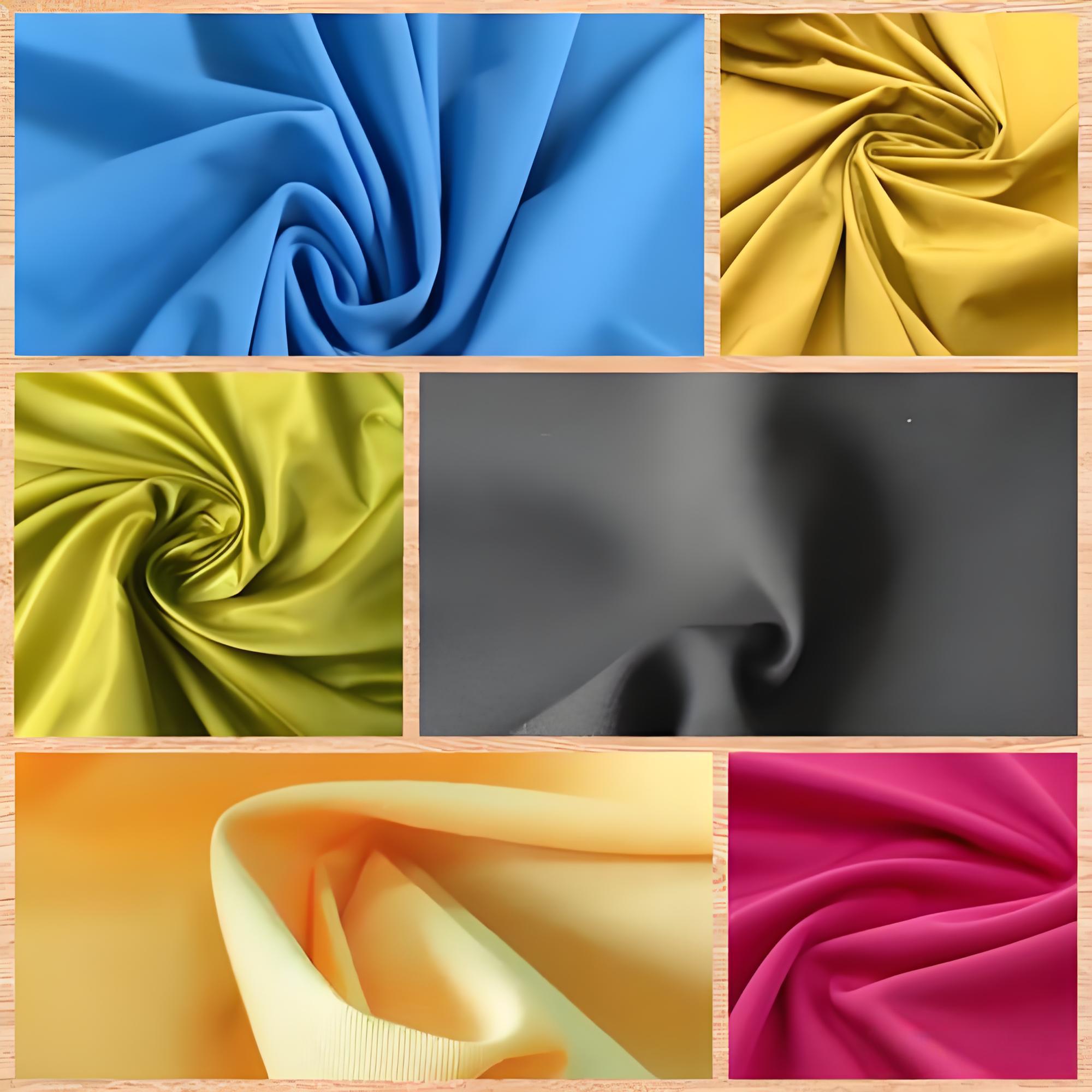 Let's start with polyester. It has an extremely high strength, is resistant to acids and alkalis, and boasts excellent wrinkle resistance. Moreover, its moisture absorption rate is very low, only 0.4%. Thanks to these advantages, it is suitable for making products that require good weather resistance, such as outdoor clothing and curtains.
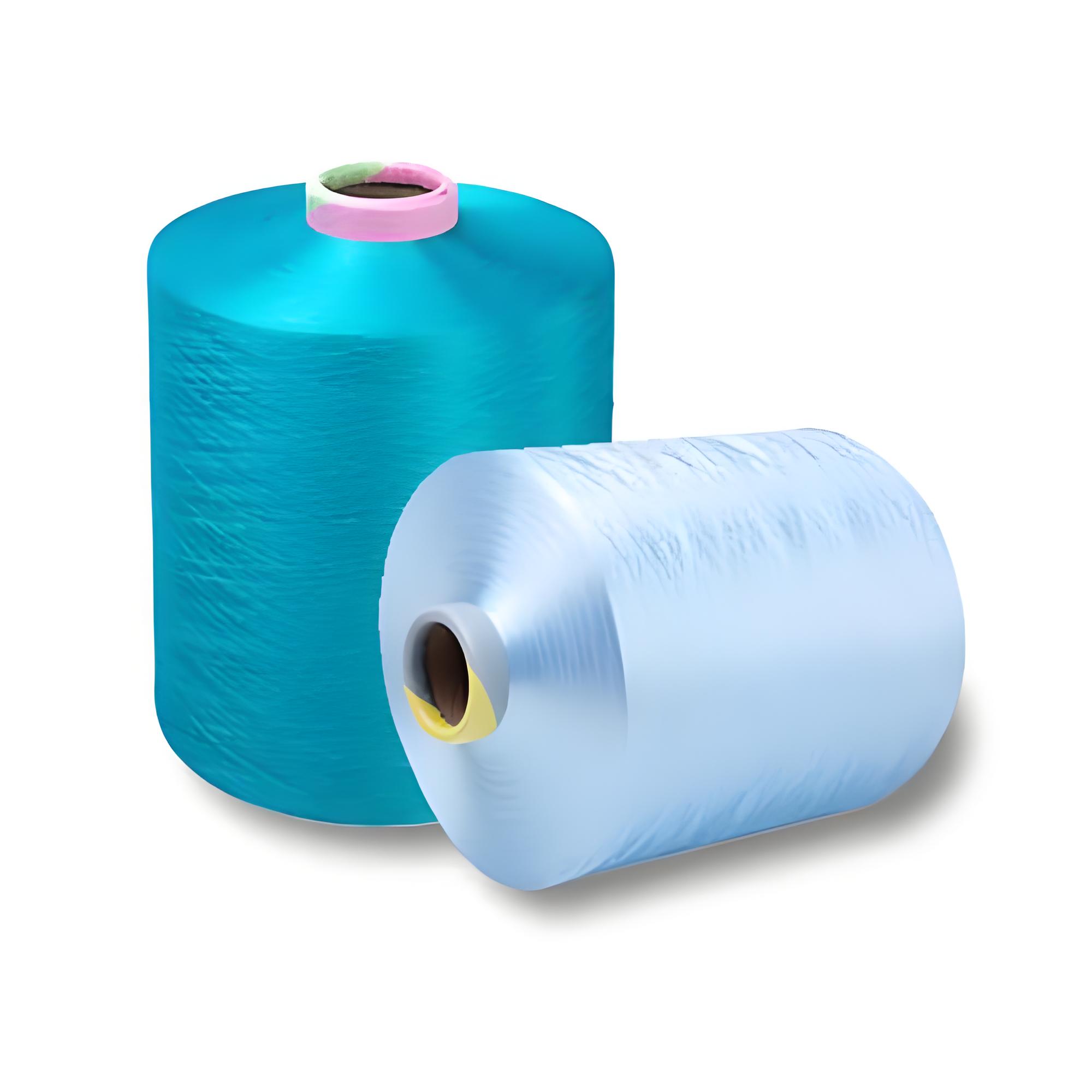 Now, let's look at nylon. Its greatest advantage lies in its high elasticity, with an elongation rate of 30% to 40%, and it has outstanding abrasion resistance. Therefore, in fields that require high flexibility, such as sportswear and luggage webbing, nylon plays a dominant role.
 In terms of technology, there are differences between the two. Polyester is spun after generating PET chips through esterification and polycondensation. Nylon 6 is synthesized by the ring-opening polymerization of caprolactam, and nylon 66 requires the condensation of a diamine and a dibasic acid. Due to the different production processes, the energy consumption of nylon is 15% to 20% higher than that of polyester, but nylon has better resilience.
Looking ahead to the future development trends, currently, polyester is being upgraded towards bio-based materials, while nylon focuses on recycling and regeneration technologies. It is imaginable that the competition between them in the high-end fabric market will become increasingly fierce, and both are striving to showcase their own advantages and strive for a larger market share.
In terms of technology, there are differences between the two. Polyester is spun after generating PET chips through esterification and polycondensation. Nylon 6 is synthesized by the ring-opening polymerization of caprolactam, and nylon 66 requires the condensation of a diamine and a dibasic acid. Due to the different production processes, the energy consumption of nylon is 15% to 20% higher than that of polyester, but nylon has better resilience.
Looking ahead to the future development trends, currently, polyester is being upgraded towards bio-based materials, while nylon focuses on recycling and regeneration technologies. It is imaginable that the competition between them in the high-end fabric market will become increasingly fierce, and both are striving to showcase their own advantages and strive for a larger market share.

